
WELL-BEING
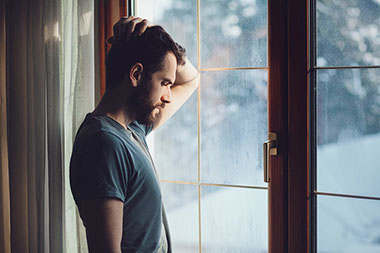
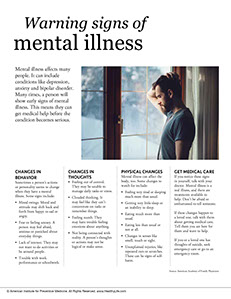
Mental illness affects many people. It can include conditions like depression, anxiety and bipolar disorder. Many times, a person will show early signs of mental illness. This means they can get medical help before the condition becomes serious.
Changes in behavior
Sometimes a person’s actions or personality seems to change when they have a mental illness. Some signs include:
* Mood swings. Mood and attitude may shift back and forth from happy to sad or angry.
* Fear or feeling uneasy. A person may feel afraid, anxious or panicked about everyday things.
* Lack of interest. They may not want to do activities or be around people.
* Trouble with work performance or schoolwork.
Changes in thoughts
* Feeling out of control. They may be unable to manage daily tasks or stress.
* Clouded thinking. It may feel like they can’t concentrate on tasks or remember things.
* Feeling numb. They may have trouble feeling emotions about anything.
* Not being connected with reality. A person’s thoughts or actions may not be logical or make sense.
Physical changes
Mental illness can affect the body, too. Some changes to watch for include:
* Feeling very tired or sleeping much more than usual.
* Getting very little sleep or an inability to sleep.
* Eating much more than usual.
* Eating less than usual or not at all.
* Changes in senses like smell, touch or sight.
* Unexplained injuries, like repeated cuts or scratches. These can be signs of self-harm.
Get medical care
If you notice these signs in yourself, talk with your doctor. Mental illness is a real illness, and there are treatments available to help. Don’t be afraid or embarrassed to tell someone.
If these changes happen to a loved one, talk with them about getting medical care. Tell them you are here for them and want to help.
If you or a loved one has thoughts of suicide, seek emergency care or go to an emergency room.
Source: American Academy of Family Physicians
© American Institute for Preventive Medicine
